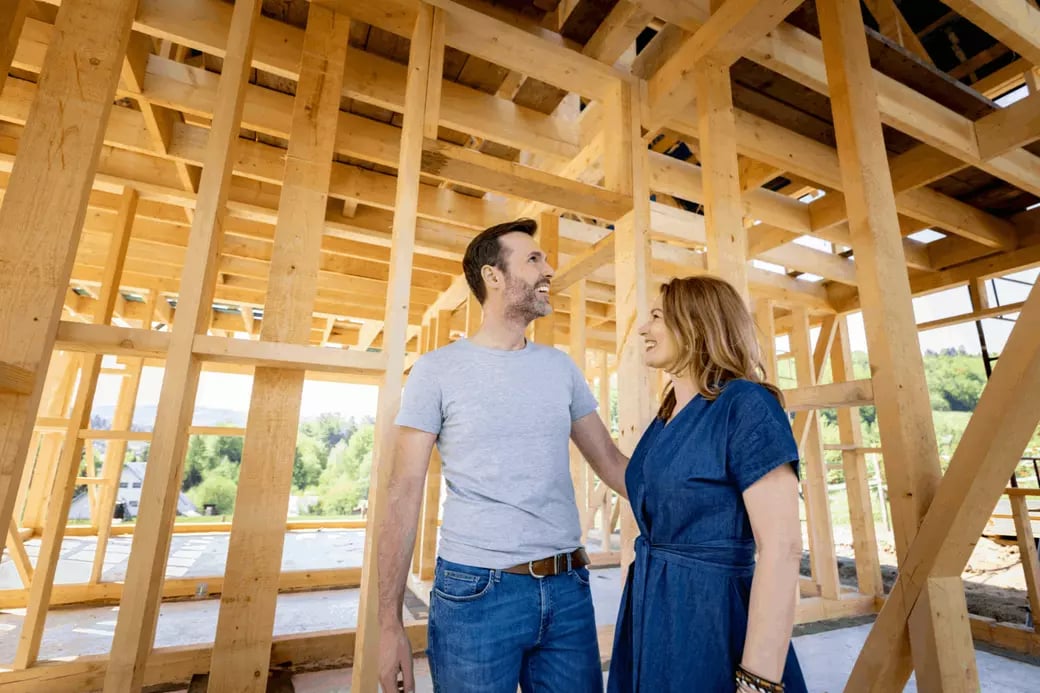
1. Consider Your Timeline
-
Buying: If you’re someone who needs to move in pronto—maybe your lease is ending, or you just can’t wait to start that new chapter—buying might be your best bet. With an existing home, the process can be pretty quick, often wrapping up in just a few weeks. Once the ink is dry, you’re all set to move in and start making it your own!
-
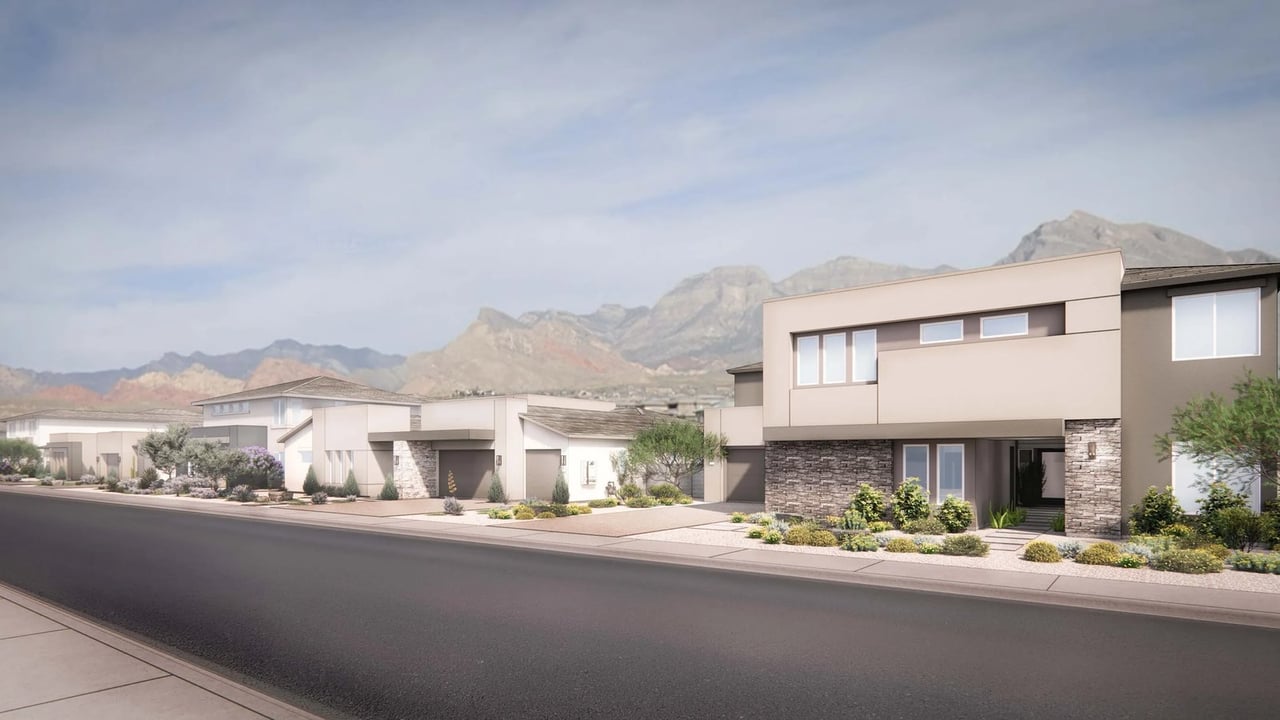
Building: If you’ve got some time on your hands and the idea of watching your dream home come to life brick by brick excites you, then building could be a wonderful adventure. Just keep in mind that building a house can take several months (or more!), so it’s a great option if you’re not in a rush and are ready to enjoy the journey.
2. Evaluate Your Budget
-
Buying: One of the perks of buying an existing home is the financial predictability. You know the price upfront, and while you might want to make a few tweaks or updates, you generally have a good handle on the costs. Plus, you might even be able to negotiate a sweet deal that fits right into your budget.
-
Building: Building a home gives you the chance to create exactly what you want, but it can sometimes come with a few financial surprises. Costs can add up quickly, especially if you start opting for those must-have upgrades or if unexpected construction challenges arise. Make sure you have a clear budget—and maybe a little extra cushion—so you can build your dream home without any unwelcome surprises.
3. Think About Customization
-
Buying: When you buy an existing home, you might find a place that’s close to perfect, but maybe not quite 100%. Sure, you can repaint, renovate, and redecorate, but there might be some limitations. Still, with a little creativity and elbow grease, you can make it feel like yours in no time.
-
Building: If you’ve ever dreamed of choosing every detail, from the floor plan to the doorknobs, then building is your chance to go all out. You get to create a home that’s perfectly tailored to your lifestyle, tastes, and needs. It’s like crafting a space that’s 100% you—no compromises necessary!
4. Research the Neighborhood
-
Buying: The great thing about buying an existing home is that you can choose from established neighborhoods that already have a vibe, community, and maybe even those charming mature trees lining the streets. You can explore the area, check out the schools, parks, and shops, and pick a place that feels just right.
-
Building: If you’re building, you have the chance to pick a lot in a brand-new development or maybe a quieter, more rural spot. Keep in mind that new developments might take a little while to grow into the kind of neighborhood you envision, but being part of something from the ground up can be pretty exciting too!
5. Assess Maintenance Needs
-
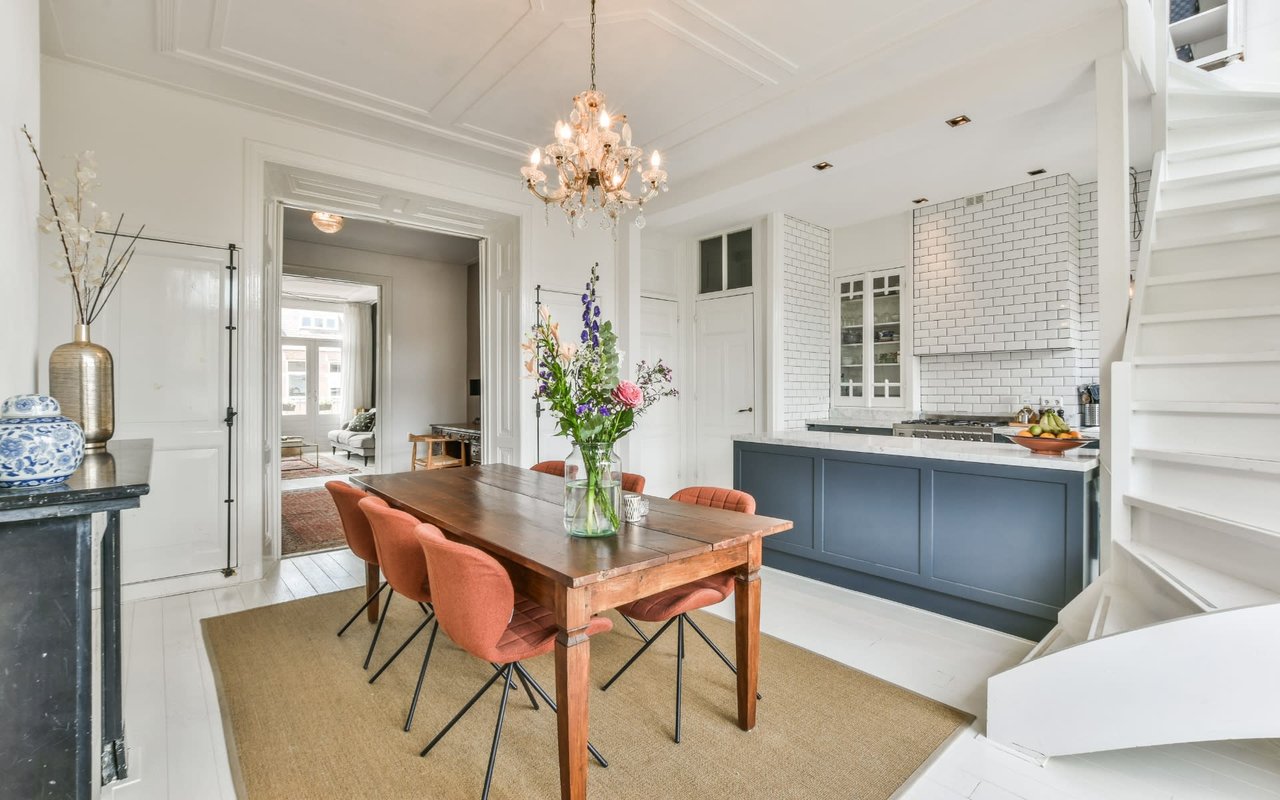
Buying: With an existing home, especially an older one, you might need to roll up your sleeves for some maintenance or upgrades. Older homes can have tons of character, but they also might come with a few quirks (and repair bills). But for many, the charm and history are well worth the effort.
-
Building: A brand-new home, on the other hand, usually means fewer maintenance worries—at least in the beginning. Everything is shiny and new, often with warranties to back it up. Plus, new homes are generally more energy-efficient, which can save you some money and headaches down the road.